
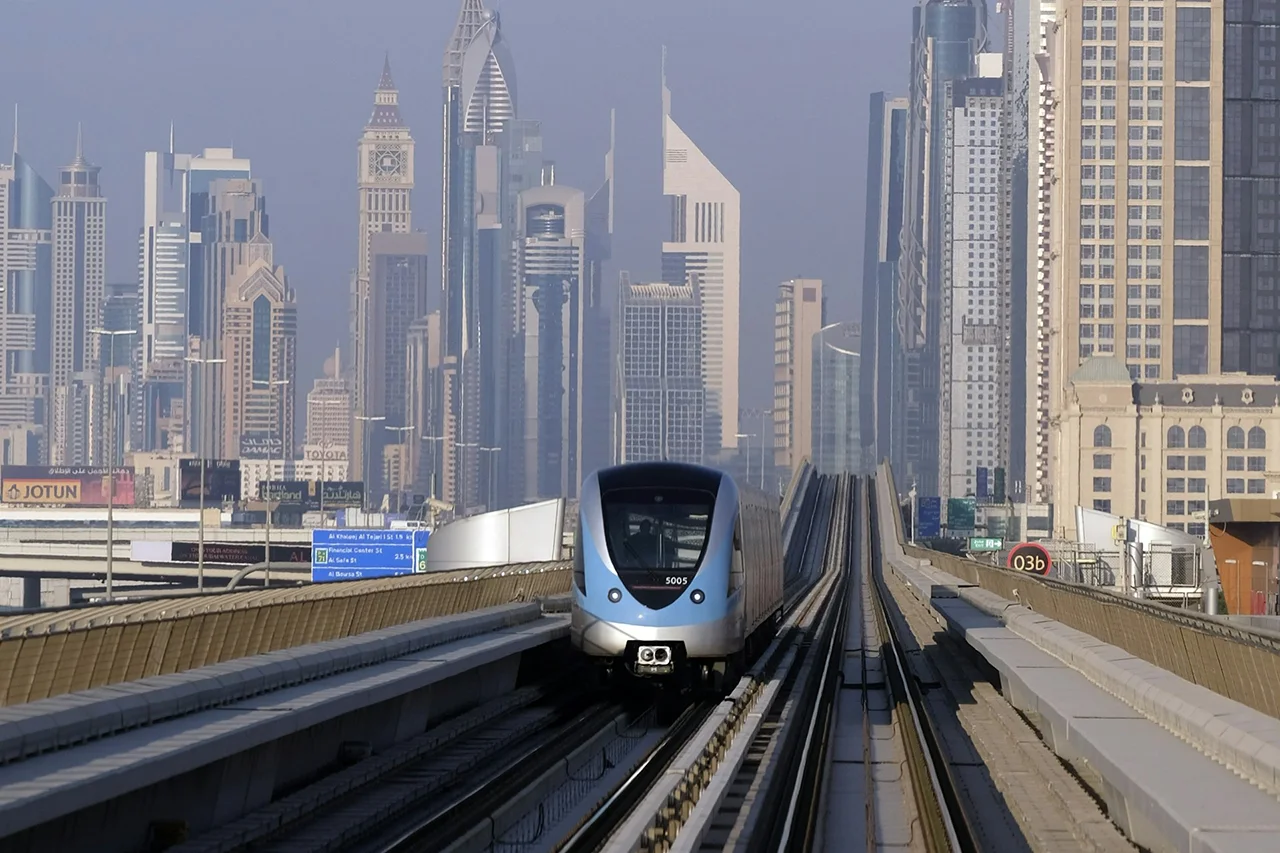
Dubai Metro Blue Line: How the New Line May Reshape Property Prices and Rents in 2025–2026
Dubai is preparing for a structural shift in its real estate market.
The launch of the Metro Blue Line, scheduled for completion by 2029 to coincide with the 20th anniversary of the Dubai Metro, is already influencing expectations around pricing and rental growth in several districts.
Based on early market reactions and historical data from previous metro expansions, price and rental growth in affected areas is estimated at 10–25%, depending on proximity to stations and district maturity.
Established Areas: Where Growth Is Already Structured
Dubai Creek Harbour
This area is already well formed, with demand concentrated in integrated, master-planned communities.
The current market profile suggests moderate but stable upside, driven more by quality and infrastructure than speculation.
Dubai Silicon Oasis
Still considered undervalued relative to its infrastructure and accessibility, Silicon Oasis offers a strong price-to-quality ratio for mid-income tenants and owner-occupiers.
Metro connectivity is likely to accelerate absorption rather than radically change the district’s profile.
Existing Metro Effect: Proven Market Behaviour
Districts with direct walking access to metro stations already demonstrate a consistent premium.
In Dubai Marina and Jumeirah Lakes Towers (JLT), rental levels remain noticeably higher even in older buildings.
The driver is simple: daily mobility. Tenants consistently price convenience into their decisions.
Areas Most Likely to Be Repriced by the Blue Line
The Blue Line is expected to pass through several dense but historically underpriced districts, including:
- International City
- Al Warqa
- Al Jaddaf
- Ras Al Khor
- Dubai Silicon Oasis
These locations combine population density, affordability, and underdeveloped transport connectivity — a profile that historically reacts most strongly to metro access.
As with previous expansions, distance to the station will matter. Properties within walking range are expected to outperform peripheral stock.
What History Tells Us
Historical data from 2010 to 2022 shows a clear pattern:
- Properties near metro stations appreciated at an average rate of 26.7% per year
- The broader Dubai market grew at 24.1% per year
- In selected nodes, peak annual growth reached 43.8%
Beyond faster appreciation, metro-adjacent areas also demonstrated higher resilience during market slowdowns, with quicker recoveries in both pricing and occupancy.
Calculate Your Property Revenue
Get a quick estimate of your property's potential income
Urban Strategy Context
Dubai’s target of 5.8 million residents by 2040 cannot be achieved through premium districts alone.
The city requires affordable yet well-connected residential areas, supported by mass transit and social infrastructure.
The Blue Line is a core instrument in this strategy, enabling balanced expansion without over-concentration in legacy districts.
A Live Example: International City
Over the past six months:
- International City: +0.98% average monthly price growth
- Silicon Oasis: +0.55%
- Mirdif: +0.67%
This early divergence suggests that transport expectations are already being priced in.
With the metro launch approaching, this gap is likely to widen rather than close.
Final Observations
📌 For investors and end-users alike, the Blue Line is less about short-term speculation and more about liquidity creation.
Historically, metro development in Dubai has delivered:
- Faster price growth
- Stronger rental demand
- Improved exit liquidity
If you are evaluating an entry point into a growing district, areas within the future Blue Line influence zone deserve close attention over the next investment cycle.