
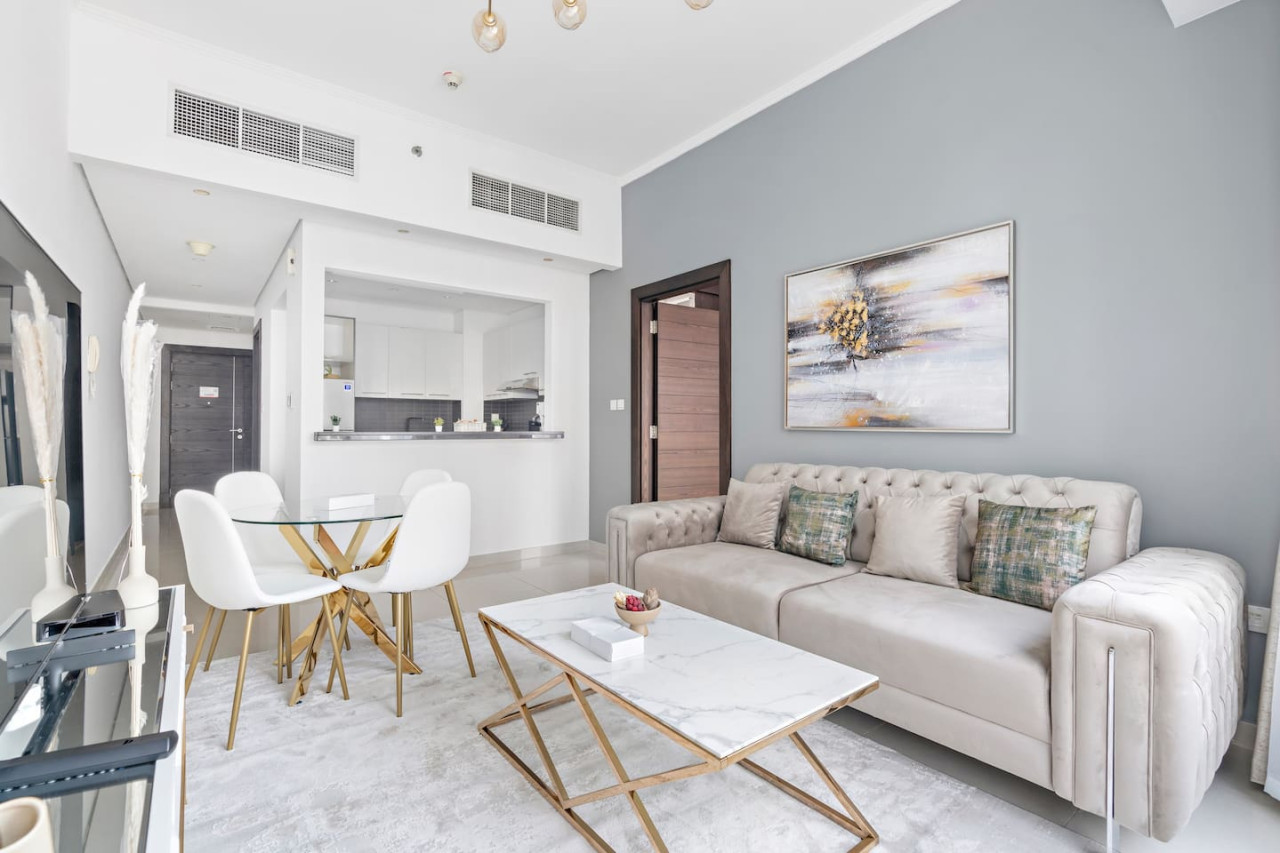
Short-Term Rentals in Dubai: Real Challenges and Where the Opportunities Actually Are
Short-term rentals in Dubai continue to attract investors, landlords, and operators looking for flexible income and exposure to a fast-moving hospitality market. On the surface, the model looks straightforward: list the property, manage bookings, collect revenue. In reality, operating short-term rentals in Dubai is a layered business that combines regulation, pricing strategy, guest experience, and professional property management.
Understanding where the real challenges sit is the difference between a profitable Airbnb asset and a unit that underperforms despite strong demand.
Why Dubai Remains Attractive for Short-Term Rentals
Dubai’s appeal for short-term letting is structural, not accidental. The city attracts a constant flow of tourists, business travelers, and relocation clients who prefer serviced apartments over traditional hotels. This demand creates a strong foundation for Airbnb management and other short-term rental platforms.
Unlike many global cities, Dubai has a clearly defined regulatory framework for short-term rentals. The rules are strict, but transparent. For professional operators, this clarity reduces uncertainty and allows for long-term planning.
The opportunity exists — but only for owners who treat short-term rentals as an operating business, not passive income.
Regulation Is Not a Barrier, but It Is a Filter
Short-term rentals in Dubai require DTCM registration, licensing, and adherence to hospitality standards. Properties must meet furnishing requirements, safety rules, and reporting obligations.
This regulatory layer removes casual operators from the market. For owners working with a professional short-term property management company, compliance becomes a managed process rather than a limitation.
The real risk appears when owners attempt to self-manage without understanding licensing obligations. Penalties, listing suspensions, and revenue loss usually follow.
Regulation in Dubai does not limit short-term rentals - it filters out unprepared operators.
Operational Complexity Is the Core Challenge
Most challenges in short-term rentals are operational, not market-driven.
Each booking triggers multiple workflows: guest communication, check-in logistics, cleaning coordination, linen management, maintenance checks, and listing optimization. These tasks compound quickly as occupancy grows.
Inconsistent operations directly impact reviews, rankings, and booking velocity. This is where professional Airbnb property management creates measurable value by standardizing processes and maintaining service consistency across stays.
Owners who underestimate operational load usually face declining performance within the first year.
Pro Tip
Operational discipline matters more than location once a property enters the short-term rental market.
Pricing Strategy Separates Average Results from Strong Performance
Short-term rentals do not benefit from static pricing. Demand in Dubai fluctuates by season, events, booking windows, and unit type. Fixed pricing strategies leave revenue on the table during peak periods and reduce occupancy during softer months.
Effective Airbnb management relies on dynamic pricing models that react to booking pace and market signals. This approach protects occupancy while maximizing revenue per available night.
Pricing is not a one-time setup — it is an ongoing management function.
Calculate Your Property Revenue
Get a quick estimate of your property's potential income
Guest Expectations Are Higher Than Many Owners Assume
Short-term rental guests compare serviced apartments not only with other listings, but also with hotels. Cleanliness, response speed, and consistency are baseline expectations.
Minor service failures quickly translate into poor reviews, which directly affect visibility across platforms. Professional property management teams mitigate this risk by enforcing service standards and response protocols.
In Dubai’s competitive short-term rental environment, guest experience directly influences financial performance.
Profitability Depends on Management, Not the Model
Short-term rentals offer flexibility that long-term leases cannot match. Owners can adjust pricing, block dates for personal use, and reposition assets based on demand trends.
However, flexibility only converts into profitability when supported by professional management. Without structure, the model becomes volatile rather than scalable.
The most successful short-term rental portfolios in Dubai are managed, measured, and optimized continuously — not left on autopilot.
Where the Real Opportunity Lies
The opportunity in Dubai’s short-term rental market is not simply “higher income.” It lies in turning residential property into a professionally operated hospitality asset.
Owners who invest in strong Airbnb management, regulatory compliance, and operational systems consistently outperform those who rely on intuition or partial self-management.
Short-term rentals work in Dubai — but only when treated as a business.